



Description
Creating Inclusive Workplaces: A Comprehensive Guide for Australian Organisational Leaders
Building truly inclusive workplaces demands sustained commitment to diversity and inclusion practices. Organisations must address systemic inequalities in their structures, policies, procedures, and day-to-day operations. They must also tackle both visible and hidden biases that shape people’s behaviour.
This global standard offers practical guidance to companies on diversity and inclusion principles, methods, and systems. It helps create equity, fairness, equality, and accessibility in work environments.
The standard recognises that every organisation is unique. Decision-makers must choose the best approach to embed diversity and inclusion into their business operations based on their specific circumstances.
Companies can also use this guidance to create consistency and fairness in managing supply chain partners. It applies to product and service delivery and interactions with external stakeholders.
The standard provides structured guidance in six key areas:
- The framework presents core Principles that show lasting commitment to valuing diversity and inclusion. Governing bodies and leaders must champion these principles.
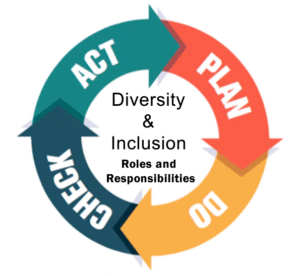
- It offers guidance on Roles and Responsibilities for diversity and inclusion work. This includes frameworks, expected outcomes, specific actions, and measurement tools to build inclusive workplaces.
- The standard defines Accountability structures that assign responsibility for achieving diversity and inclusion results.
- It identifies Benefits of using diversity through inclusive practices. These include higher staff engagement, increased creativity, better innovation, improved productivity, and stronger retention rates.
- The guide outlines specific diversity and inclusion Activities using a continuous improvement cycle. These activities drive the desired results.
- It provides Assessment Tools for measuring how well diversity and inclusion activities address risks, opportunities, impacts, and outcomes.
This global standard serves organisations of all types, including their governing bodies, leaders, staff, recognised representatives, and other stakeholders. It scales to meet the needs of all organisation types across different sectors. This includes public, private, government, and non-governmental organisations, regardless of size, type, activity, industry, growth phase, or country-specific needs.
The standard identifies principles, responsibilities, activities, policies, procedures, practices, and measurement tools to support effective workplace diversity and inclusion. It acknowledges that each organisation faces different circumstances and must determine the most suitable approach for their context.
This standard is voluntary. It does not cover specific aspects of trade union relations, works councils, country-specific compliance requirements, legal obligations, or litigation matters.